Soft, sewn covers are a great solution to protecting equipment of all types. These soft equipment covers are able to be customized to fit the exact dimensions of the equipment they cover. They can also have a number of useful features including, access flaps, clear windows, insulating layers, high-visibility marketings, and tie-down straps.
We work with our customers to identify the specific requirements for the cover. This enables us to ensure a proper fit, appropriate material selection, and superior quality.
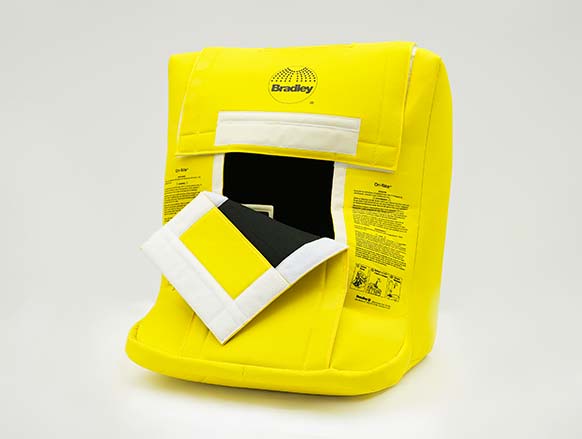
Eyewash Station Heater Jacket
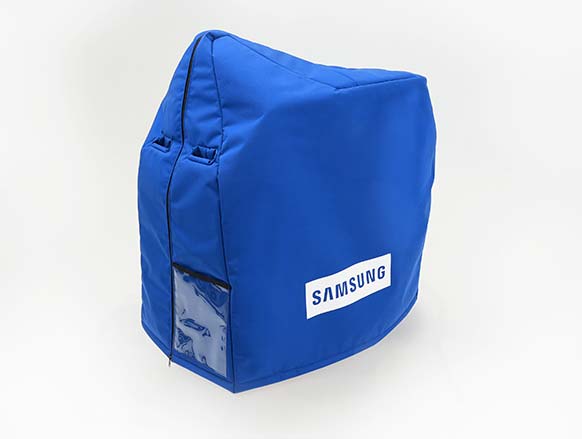
Portable Ultrasound Cover
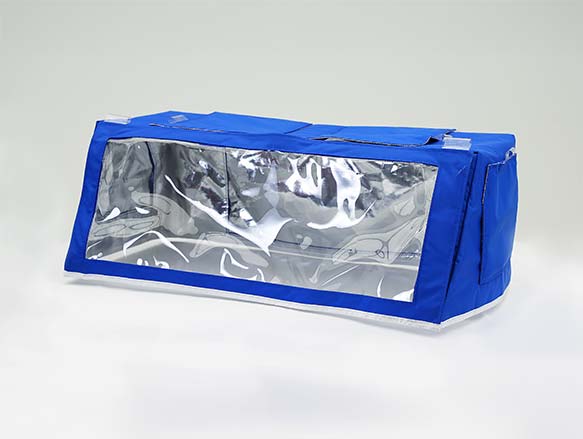
Thermal Incubator Cover
Applications
Medical equipment covers: Custom-fit covers help protect sensitive medical devices from dust, impact, and contaminants. This extends equipment life and supports better patient care.
Industrial equipment covers: From manufacturing to utilities, industrial systems rely on well-protected components. A custom cover safeguards equipment from dirt, debris, and wear, reducing downtime and replacement costs.
Outdoor equipment covers: For equipment exposed to the elements, soft covers can help prevent damage from weather, UV rays, and moisture—minimizing maintenance and prolonging service life.
Insulated covers: Temperature-sensitive equipment benefits from insulated covers that help maintain thermal stability in fluctuating conditions.
Military equipment covers: Mission-critical gear requires dependable protection. Rugged, form-fitting covers help shield military equipment from rough handling, transport wear, and harsh environments.
Specializing in commercial washrooms and industrial safety products, Bradley Company is known for innovative design. One standout product—a portable, gravity-fed eyewash station—offered a convenient safety solution. But in colder climates, it needed an upgrade: protection from freezing temperatures. The answer? A custom heater jacket.
Designing this sewn component required advanced sewing and design capabilities, precision engineering, and familiarity with regulatory standards—not something most manufacturers could provide.
Fortunately, Bradley had already partnered with LJ Design & Manufacturing on other sewn products and knew we had the expertise to take on this challenge.
Meeting the Specs
The heater jacket had to do more than retain warmth—it needed UL certification due to its contact with a heating element. It also had to prevent freezing in temperatures as low as -10°F (-23°C), making material selection a critical factor.